取消
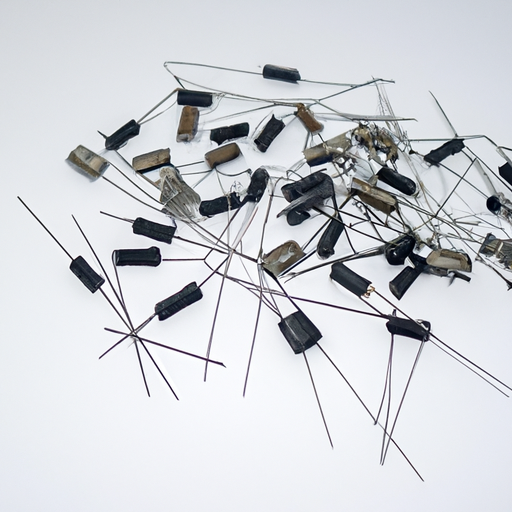
In the realm of electronics, resistors play a pivotal role in controlling the flow of electric current. Among the various types of resistors, fixed resistors are the most commonly used components in electronic circuits. Defined as resistors that maintain a constant resistance value, fixed resistors are essential for a wide range of applications, from consumer electronics to industrial machinery. This article aims to explore the advantages of fixed resistor products, shedding light on their significance in modern electronics.
Fixed resistors come in various types, each with unique characteristics suited for different applications. Here are some of the most common types:
1. **Carbon Composition Resistors**: Made from a mixture of carbon particles and a binding resin, these resistors are known for their high energy absorption capability. They are often used in applications where high pulse loads are expected.
2. **Metal Film Resistors**: These resistors are constructed by depositing a thin layer of metal onto a ceramic substrate. They offer high precision and stability, making them ideal for applications requiring accurate resistance values.
3. **Wirewound Resistors**: As the name suggests, these resistors are made by winding a metal wire around a ceramic or fiberglass core. They can handle high power levels and are commonly used in power applications.
4. **Thin Film and Thick Film Resistors**: Thin film resistors are made by depositing a very thin layer of resistive material, while thick film resistors use a thicker layer. Both types offer excellent performance characteristics and are used in various electronic devices.
Fixed resistors operate on the principle of Ohm's Law, which states that the current flowing through a conductor between two points is directly proportional to the voltage across the two points. The resistance value of a fixed resistor determines how much current will flow for a given voltage. This simple yet fundamental principle underpins the functionality of fixed resistors in electronic circuits.
Fixed resistors are ubiquitous in electronic devices. They are used in voltage dividers, current limiters, pull-up and pull-down configurations, and many other applications. Their ability to provide a stable resistance makes them ideal for use in amplifiers, oscillators, and signal processing circuits.
1. **Consistent Performance Over Time**: One of the primary advantages of fixed resistors is their ability to maintain a consistent resistance value over time. Unlike variable resistors, which can drift or change due to wear and tear, fixed resistors provide reliable performance, ensuring that electronic circuits function as intended.
2. **Low Temperature Coefficient**: Fixed resistors, particularly metal film and wirewound types, exhibit a low temperature coefficient, meaning their resistance value changes minimally with temperature fluctuations. This characteristic is crucial in applications where temperature stability is essential.
3. **Resistance to Environmental Factors**: Many fixed resistors are designed to withstand harsh environmental conditions, including humidity, dust, and temperature extremes. This durability makes them suitable for use in industrial and outdoor applications.
1. **Affordable Manufacturing Processes**: The manufacturing processes for fixed resistors are well-established and cost-effective. This affordability translates to lower prices for consumers and manufacturers alike.
2. **Availability in Bulk**: Fixed resistors are produced in large quantities, making them readily available for purchase. This availability ensures that manufacturers can source the components they need without delays.
3. **Long Lifespan Reducing Replacement Costs**: Fixed resistors typically have a long operational lifespan, which reduces the need for frequent replacements. This longevity contributes to lower overall maintenance costs for electronic devices.
1. **Wide Range of Resistance Values**: Fixed resistors are available in a vast array of resistance values, allowing designers to select the appropriate resistor for their specific application. This versatility is essential in tailoring circuits to meet precise requirements.
2. **Compatibility with Various Circuit Designs**: Fixed resistors can be easily integrated into different circuit designs, whether in series or parallel configurations. Their adaptability makes them a staple in both simple and complex electronic systems.
3. **Use in Both Analog and Digital Applications**: Fixed resistors are utilized in both analog and digital circuits, making them versatile components in a wide range of electronic devices, from audio equipment to microcontrollers.
1. **Easy Integration into Circuits**: Fixed resistors are straightforward to incorporate into electronic circuits. Their simple design allows for quick assembly and integration, reducing the complexity of circuit design.
2. **Minimal Need for Additional Components**: Unlike variable resistors, which may require additional components for adjustment, fixed resistors operate independently, simplifying circuit design and reducing the number of components needed.
3. **Straightforward Testing and Measurement**: Testing and measuring fixed resistors is a simple process, often requiring only a multimeter. This ease of measurement is beneficial for troubleshooting and quality control in manufacturing.
1. **Low Noise Levels**: Fixed resistors, particularly metal film types, exhibit low noise levels, making them ideal for applications where signal integrity is critical, such as audio and communication devices.
2. **High Precision in Specific Types (e.g., Metal Film)**: Metal film resistors are known for their high precision and low tolerance levels, making them suitable for applications requiring exact resistance values.
3. **Ability to Handle High Power in Wirewound Resistors**: Wirewound resistors can handle significant power loads, making them ideal for high-power applications, such as power supplies and motor controls.
Fixed resistors find applications across various industries and devices, including:
In consumer electronics, fixed resistors are used in devices such as televisions, smartphones, and audio equipment. They help regulate current, divide voltages, and ensure signal integrity.
Fixed resistors are integral to industrial machinery, where they are used in control systems, sensors, and automation equipment. Their reliability and stability are crucial in these demanding environments.
In the automotive industry, fixed resistors are used in various applications, including engine control units, lighting systems, and infotainment systems. Their ability to withstand harsh conditions makes them ideal for automotive use.
Fixed resistors play a vital role in telecommunications equipment, where they are used in signal processing, filtering, and impedance matching. Their low noise characteristics are particularly beneficial in these applications.
In medical devices, fixed resistors are used in monitoring equipment, diagnostic tools, and therapeutic devices. Their reliability and precision are essential for ensuring accurate measurements and safe operation.
While fixed resistors maintain a constant resistance value, variable resistors allow for adjustable resistance. Fixed resistors are preferred in applications where stability and reliability are paramount, while variable resistors are used in applications requiring fine-tuning or adjustment.
Specialty resistors, such as thermistors and photoresistors, change their resistance based on environmental conditions (temperature and light, respectively). Fixed resistors, on the other hand, provide a stable resistance value, making them suitable for applications where consistent performance is required.
In scenarios where precision, stability, and cost-effectiveness are critical, fixed resistors offer distinct advantages over other types of resistors. Their reliability and ease of use make them the go-to choice for many electronic applications.
In summary, fixed resistors are essential components in modern electronics, offering numerous advantages, including stability, cost-effectiveness, versatility, simplicity of use, and excellent performance characteristics. Their wide range of applications across various industries underscores their importance in electronic design and manufacturing. As technology continues to evolve, fixed resistors will remain a fundamental element in the development of innovative electronic devices.
1. Academic papers and articles on resistor technology and applications.
2. Industry reports detailing the market trends and advancements in resistor manufacturing.
3. Manufacturer specifications and datasheets for various types of fixed resistors.
---
This blog post provides a comprehensive overview of the advantages of fixed resistor products, highlighting their significance in electronic circuits and applications. By understanding the benefits of fixed resistors, designers and engineers can make informed decisions when selecting components for their projects.
In the realm of electronics, resistors play a pivotal role in controlling the flow of electric current. Among the various types of resistors, fixed resistors are the most commonly used components in electronic circuits. Defined as resistors that maintain a constant resistance value, fixed resistors are essential for a wide range of applications, from consumer electronics to industrial machinery. This article aims to explore the advantages of fixed resistor products, shedding light on their significance in modern electronics.
Fixed resistors come in various types, each with unique characteristics suited for different applications. Here are some of the most common types:
1. **Carbon Composition Resistors**: Made from a mixture of carbon particles and a binding resin, these resistors are known for their high energy absorption capability. They are often used in applications where high pulse loads are expected.
2. **Metal Film Resistors**: These resistors are constructed by depositing a thin layer of metal onto a ceramic substrate. They offer high precision and stability, making them ideal for applications requiring accurate resistance values.
3. **Wirewound Resistors**: As the name suggests, these resistors are made by winding a metal wire around a ceramic or fiberglass core. They can handle high power levels and are commonly used in power applications.
4. **Thin Film and Thick Film Resistors**: Thin film resistors are made by depositing a very thin layer of resistive material, while thick film resistors use a thicker layer. Both types offer excellent performance characteristics and are used in various electronic devices.
Fixed resistors operate on the principle of Ohm's Law, which states that the current flowing through a conductor between two points is directly proportional to the voltage across the two points. The resistance value of a fixed resistor determines how much current will flow for a given voltage. This simple yet fundamental principle underpins the functionality of fixed resistors in electronic circuits.
Fixed resistors are ubiquitous in electronic devices. They are used in voltage dividers, current limiters, pull-up and pull-down configurations, and many other applications. Their ability to provide a stable resistance makes them ideal for use in amplifiers, oscillators, and signal processing circuits.
1. **Consistent Performance Over Time**: One of the primary advantages of fixed resistors is their ability to maintain a consistent resistance value over time. Unlike variable resistors, which can drift or change due to wear and tear, fixed resistors provide reliable performance, ensuring that electronic circuits function as intended.
2. **Low Temperature Coefficient**: Fixed resistors, particularly metal film and wirewound types, exhibit a low temperature coefficient, meaning their resistance value changes minimally with temperature fluctuations. This characteristic is crucial in applications where temperature stability is essential.
3. **Resistance to Environmental Factors**: Many fixed resistors are designed to withstand harsh environmental conditions, including humidity, dust, and temperature extremes. This durability makes them suitable for use in industrial and outdoor applications.
1. **Affordable Manufacturing Processes**: The manufacturing processes for fixed resistors are well-established and cost-effective. This affordability translates to lower prices for consumers and manufacturers alike.
2. **Availability in Bulk**: Fixed resistors are produced in large quantities, making them readily available for purchase. This availability ensures that manufacturers can source the components they need without delays.
3. **Long Lifespan Reducing Replacement Costs**: Fixed resistors typically have a long operational lifespan, which reduces the need for frequent replacements. This longevity contributes to lower overall maintenance costs for electronic devices.
1. **Wide Range of Resistance Values**: Fixed resistors are available in a vast array of resistance values, allowing designers to select the appropriate resistor for their specific application. This versatility is essential in tailoring circuits to meet precise requirements.
2. **Compatibility with Various Circuit Designs**: Fixed resistors can be easily integrated into different circuit designs, whether in series or parallel configurations. Their adaptability makes them a staple in both simple and complex electronic systems.
3. **Use in Both Analog and Digital Applications**: Fixed resistors are utilized in both analog and digital circuits, making them versatile components in a wide range of electronic devices, from audio equipment to microcontrollers.
1. **Easy Integration into Circuits**: Fixed resistors are straightforward to incorporate into electronic circuits. Their simple design allows for quick assembly and integration, reducing the complexity of circuit design.
2. **Minimal Need for Additional Components**: Unlike variable resistors, which may require additional components for adjustment, fixed resistors operate independently, simplifying circuit design and reducing the number of components needed.
3. **Straightforward Testing and Measurement**: Testing and measuring fixed resistors is a simple process, often requiring only a multimeter. This ease of measurement is beneficial for troubleshooting and quality control in manufacturing.
1. **Low Noise Levels**: Fixed resistors, particularly metal film types, exhibit low noise levels, making them ideal for applications where signal integrity is critical, such as audio and communication devices.
2. **High Precision in Specific Types (e.g., Metal Film)**: Metal film resistors are known for their high precision and low tolerance levels, making them suitable for applications requiring exact resistance values.
3. **Ability to Handle High Power in Wirewound Resistors**: Wirewound resistors can handle significant power loads, making them ideal for high-power applications, such as power supplies and motor controls.
Fixed resistors find applications across various industries and devices, including:
In consumer electronics, fixed resistors are used in devices such as televisions, smartphones, and audio equipment. They help regulate current, divide voltages, and ensure signal integrity.
Fixed resistors are integral to industrial machinery, where they are used in control systems, sensors, and automation equipment. Their reliability and stability are crucial in these demanding environments.
In the automotive industry, fixed resistors are used in various applications, including engine control units, lighting systems, and infotainment systems. Their ability to withstand harsh conditions makes them ideal for automotive use.
Fixed resistors play a vital role in telecommunications equipment, where they are used in signal processing, filtering, and impedance matching. Their low noise characteristics are particularly beneficial in these applications.
In medical devices, fixed resistors are used in monitoring equipment, diagnostic tools, and therapeutic devices. Their reliability and precision are essential for ensuring accurate measurements and safe operation.
While fixed resistors maintain a constant resistance value, variable resistors allow for adjustable resistance. Fixed resistors are preferred in applications where stability and reliability are paramount, while variable resistors are used in applications requiring fine-tuning or adjustment.
Specialty resistors, such as thermistors and photoresistors, change their resistance based on environmental conditions (temperature and light, respectively). Fixed resistors, on the other hand, provide a stable resistance value, making them suitable for applications where consistent performance is required.
In scenarios where precision, stability, and cost-effectiveness are critical, fixed resistors offer distinct advantages over other types of resistors. Their reliability and ease of use make them the go-to choice for many electronic applications.
In summary, fixed resistors are essential components in modern electronics, offering numerous advantages, including stability, cost-effectiveness, versatility, simplicity of use, and excellent performance characteristics. Their wide range of applications across various industries underscores their importance in electronic design and manufacturing. As technology continues to evolve, fixed resistors will remain a fundamental element in the development of innovative electronic devices.
1. Academic papers and articles on resistor technology and applications.
2. Industry reports detailing the market trends and advancements in resistor manufacturing.
3. Manufacturer specifications and datasheets for various types of fixed resistors.
---
This blog post provides a comprehensive overview of the advantages of fixed resistor products, highlighting their significance in electronic circuits and applications. By understanding the benefits of fixed resistors, designers and engineers can make informed decisions when selecting components for their projects.