取消
In the world of electronics, resistors play a crucial role in controlling current flow and managing voltage levels. Among the various types of resistors, wirewound resistors stand out due to their unique construction and performance characteristics. This blog post will explore the main application directions of wirewound resistors, highlighting their significance in various industries and technologies.
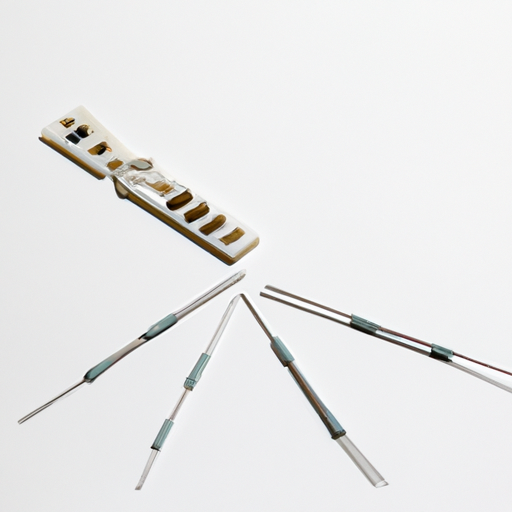
Wirewound resistors are constructed by winding a metal wire around a core, typically made of ceramic or another insulating material. The wire is usually made from alloys such as nickel-chromium or copper-nickel, which provide excellent conductivity and stability. The insulating materials used in the construction help to prevent short circuits and ensure the resistor operates effectively under various conditions.
Wirewound resistors come in several types, each designed for specific applications:
1. **Standard Wirewound Resistors**: These are commonly used in general-purpose applications where moderate precision and power handling are required.
2. **Precision Wirewound Resistors**: Designed for applications that demand high accuracy, these resistors have tighter tolerance levels and are often used in measurement and calibration devices.
3. **High-Power Wirewound Resistors**: These resistors can handle significant power loads and are typically used in power electronics and industrial applications.
Wirewound resistors are known for several key characteristics:
Resistance Range: They can be manufactured to provide a wide range of resistance values, from a few ohms to several megaohms.
Tolerance Levels: Wirewound resistors can achieve low tolerance levels, making them suitable for precision applications.
Temperature Coefficient: They exhibit a low temperature coefficient, meaning their resistance changes minimally with temperature fluctuations.
Power Rating: Wirewound resistors can handle high power ratings, making them ideal for demanding applications.
Wirewound resistors play a vital role in power electronics, where they are used in power supplies and converters. Their ability to handle high power loads makes them suitable for applications such as motor control, where precise current regulation is essential. Additionally, wirewound resistors are crucial for thermal management in high-power applications, helping to dissipate heat and maintain safe operating temperatures.
In the field of measurement and instrumentation, wirewound resistors are indispensable. They are commonly used in precision measurement devices, such as digital multimeters and oscilloscopes, where accuracy is paramount. Furthermore, they find applications in test and measurement equipment, ensuring reliable performance during calibration and testing processes.
Wirewound resistors are also prevalent in audio equipment, particularly in high-fidelity audio systems. They are used in amplifiers and equalizers to maintain sound quality and ensure accurate signal processing. The stability and precision of wirewound resistors contribute to the overall performance of audio devices, making them a preferred choice for audiophiles and professionals alike.
In the automotive industry, wirewound resistors are utilized in various applications, including engine control units (ECUs) and electric and hybrid vehicles. They play a critical role in sensor applications, where precise resistance values are necessary for accurate readings and control. As vehicles become more advanced and reliant on electronic systems, the demand for reliable wirewound resistors continues to grow.
Telecommunications is another field where wirewound resistors are essential. They are used in signal processing equipment, RF and microwave circuits, and other communication devices. The ability of wirewound resistors to maintain signal integrity is crucial for ensuring clear and reliable communication, making them a vital component in modern telecommunications systems.
In industrial settings, wirewound resistors are employed in automation and control systems, robotics, and machinery. They are often used in safety and protection circuits, where their reliability and durability are paramount. The ability to withstand harsh environments and high temperatures makes wirewound resistors an ideal choice for industrial applications.
Wirewound resistors offer several advantages that make them a popular choice in various applications:
One of the most significant benefits of wirewound resistors is their high precision and stability. They can achieve low tolerance levels, making them suitable for applications that require accurate resistance values.
Wirewound resistors exhibit excellent thermal performance, allowing them to dissipate heat effectively. This characteristic is particularly important in high-power applications, where overheating can lead to failure.
Wirewound resistors can be manufactured to provide a wide range of resistance values and power ratings, making them versatile for various applications.
The robust construction of wirewound resistors ensures their durability and reliability, even in harsh environments. This makes them suitable for industrial and automotive applications where conditions can be extreme.
Despite their many advantages, wirewound resistors also face challenges and limitations:
Wirewound resistors tend to be larger and heavier than other types of resistors, which can be a disadvantage in applications where space and weight are critical factors.
In high-frequency applications, wirewound resistors can introduce inductance, which may affect performance. This limitation makes them less suitable for certain RF applications.
Wirewound resistors can be more expensive than other resistor types, such as carbon film or metal film resistors. This cost factor may limit their use in budget-sensitive applications.
As technology continues to evolve, wirewound resistors are also expected to undergo advancements. Some future trends and innovations include:
Research into new materials and manufacturing techniques may lead to improved performance and reduced costs for wirewound resistors.
The integration of wirewound resistors with smart technologies, such as IoT devices, could open up new application possibilities and enhance their functionality.
Wirewound resistors may find new applications in emerging fields, such as renewable energy systems and electric vehicles, where their unique characteristics can be leveraged for improved performance.
Wirewound resistors are a vital component in a wide range of applications, from power electronics to telecommunications. Their high precision, excellent thermal performance, and durability make them a preferred choice in many industries. As technology continues to advance, wirewound resistors will likely play an even more significant role in the development of innovative electronic systems. Understanding their applications and characteristics is essential for engineers and designers looking to harness their potential in future projects.
For further reading on wirewound resistors and their applications, consider exploring the following resources:
1. "Resistor Technology: A Comprehensive Guide" - Journal of Electronic Materials
2. "Advancements in Resistor Design and Applications" - IEEE Transactions on Industrial Electronics
3. "The Role of Resistors in Modern Electronics" - Electronics Weekly
By delving into these references, readers can gain a deeper understanding of wirewound resistors and their significance in the ever-evolving world of electronics.
In the world of electronics, resistors play a crucial role in controlling current flow and managing voltage levels. Among the various types of resistors, wirewound resistors stand out due to their unique construction and performance characteristics. This blog post will explore the main application directions of wirewound resistors, highlighting their significance in various industries and technologies.
Wirewound resistors are constructed by winding a metal wire around a core, typically made of ceramic or another insulating material. The wire is usually made from alloys such as nickel-chromium or copper-nickel, which provide excellent conductivity and stability. The insulating materials used in the construction help to prevent short circuits and ensure the resistor operates effectively under various conditions.
Wirewound resistors come in several types, each designed for specific applications:
1. **Standard Wirewound Resistors**: These are commonly used in general-purpose applications where moderate precision and power handling are required.
2. **Precision Wirewound Resistors**: Designed for applications that demand high accuracy, these resistors have tighter tolerance levels and are often used in measurement and calibration devices.
3. **High-Power Wirewound Resistors**: These resistors can handle significant power loads and are typically used in power electronics and industrial applications.
Wirewound resistors are known for several key characteristics:
Resistance Range: They can be manufactured to provide a wide range of resistance values, from a few ohms to several megaohms.
Tolerance Levels: Wirewound resistors can achieve low tolerance levels, making them suitable for precision applications.
Temperature Coefficient: They exhibit a low temperature coefficient, meaning their resistance changes minimally with temperature fluctuations.
Power Rating: Wirewound resistors can handle high power ratings, making them ideal for demanding applications.
Wirewound resistors play a vital role in power electronics, where they are used in power supplies and converters. Their ability to handle high power loads makes them suitable for applications such as motor control, where precise current regulation is essential. Additionally, wirewound resistors are crucial for thermal management in high-power applications, helping to dissipate heat and maintain safe operating temperatures.
In the field of measurement and instrumentation, wirewound resistors are indispensable. They are commonly used in precision measurement devices, such as digital multimeters and oscilloscopes, where accuracy is paramount. Furthermore, they find applications in test and measurement equipment, ensuring reliable performance during calibration and testing processes.
Wirewound resistors are also prevalent in audio equipment, particularly in high-fidelity audio systems. They are used in amplifiers and equalizers to maintain sound quality and ensure accurate signal processing. The stability and precision of wirewound resistors contribute to the overall performance of audio devices, making them a preferred choice for audiophiles and professionals alike.
In the automotive industry, wirewound resistors are utilized in various applications, including engine control units (ECUs) and electric and hybrid vehicles. They play a critical role in sensor applications, where precise resistance values are necessary for accurate readings and control. As vehicles become more advanced and reliant on electronic systems, the demand for reliable wirewound resistors continues to grow.
Telecommunications is another field where wirewound resistors are essential. They are used in signal processing equipment, RF and microwave circuits, and other communication devices. The ability of wirewound resistors to maintain signal integrity is crucial for ensuring clear and reliable communication, making them a vital component in modern telecommunications systems.
In industrial settings, wirewound resistors are employed in automation and control systems, robotics, and machinery. They are often used in safety and protection circuits, where their reliability and durability are paramount. The ability to withstand harsh environments and high temperatures makes wirewound resistors an ideal choice for industrial applications.
Wirewound resistors offer several advantages that make them a popular choice in various applications:
One of the most significant benefits of wirewound resistors is their high precision and stability. They can achieve low tolerance levels, making them suitable for applications that require accurate resistance values.
Wirewound resistors exhibit excellent thermal performance, allowing them to dissipate heat effectively. This characteristic is particularly important in high-power applications, where overheating can lead to failure.
Wirewound resistors can be manufactured to provide a wide range of resistance values and power ratings, making them versatile for various applications.
The robust construction of wirewound resistors ensures their durability and reliability, even in harsh environments. This makes them suitable for industrial and automotive applications where conditions can be extreme.
Despite their many advantages, wirewound resistors also face challenges and limitations:
Wirewound resistors tend to be larger and heavier than other types of resistors, which can be a disadvantage in applications where space and weight are critical factors.
In high-frequency applications, wirewound resistors can introduce inductance, which may affect performance. This limitation makes them less suitable for certain RF applications.
Wirewound resistors can be more expensive than other resistor types, such as carbon film or metal film resistors. This cost factor may limit their use in budget-sensitive applications.
As technology continues to evolve, wirewound resistors are also expected to undergo advancements. Some future trends and innovations include:
Research into new materials and manufacturing techniques may lead to improved performance and reduced costs for wirewound resistors.
The integration of wirewound resistors with smart technologies, such as IoT devices, could open up new application possibilities and enhance their functionality.
Wirewound resistors may find new applications in emerging fields, such as renewable energy systems and electric vehicles, where their unique characteristics can be leveraged for improved performance.
Wirewound resistors are a vital component in a wide range of applications, from power electronics to telecommunications. Their high precision, excellent thermal performance, and durability make them a preferred choice in many industries. As technology continues to advance, wirewound resistors will likely play an even more significant role in the development of innovative electronic systems. Understanding their applications and characteristics is essential for engineers and designers looking to harness their potential in future projects.
For further reading on wirewound resistors and their applications, consider exploring the following resources:
1. "Resistor Technology: A Comprehensive Guide" - Journal of Electronic Materials
2. "Advancements in Resistor Design and Applications" - IEEE Transactions on Industrial Electronics
3. "The Role of Resistors in Modern Electronics" - Electronics Weekly
By delving into these references, readers can gain a deeper understanding of wirewound resistors and their significance in the ever-evolving world of electronics.