取消
In the realm of modern technology, photoresistors, also known as light-dependent resistors (LDRs), play a pivotal role in a variety of applications. These components are semiconductor devices that change their resistance based on the intensity of light falling on them. As the world becomes increasingly reliant on automation and smart technologies, the importance of photoresistors continues to grow. This blog post will explore the various industries that utilize photoresistors, their application scenarios, emerging trends, and the challenges faced in their implementation.
Photoresistors operate on a simple principle: their resistance decreases as the intensity of light increases. This characteristic makes them ideal for applications where light detection is crucial. When light photons strike the semiconductor material, they excite electrons, allowing them to flow more freely and thus reducing resistance.
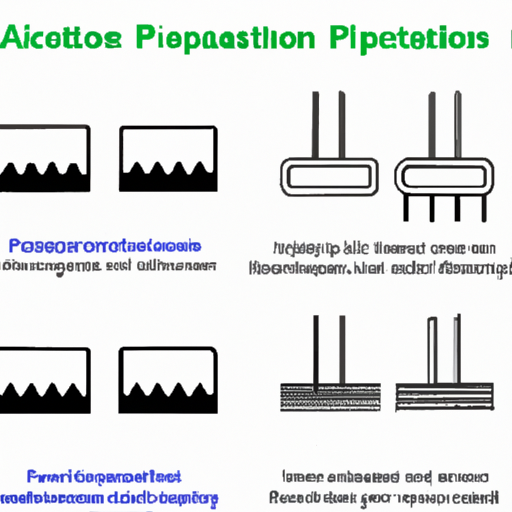
There are several types of photoresistors, each with unique properties and applications:
1. **Cadmium Sulfide (CdS) Photoresistors**: These are the most common type, known for their sensitivity to visible light. They are widely used in consumer electronics and outdoor lighting systems.
2. **Organic Photoresistors**: These are made from organic materials and offer flexibility and lightweight properties, making them suitable for innovative applications in wearable technology.
3. **Other Variants**: New materials and technologies are continually being developed, including phototransistors and photodiodes, which can also serve similar functions in specific applications.
Photoresistors are integral to many consumer electronics. They enable automatic brightness control in displays, ensuring optimal visibility in varying lighting conditions. For instance, smartphones and tablets adjust their screen brightness based on ambient light, enhancing user experience and conserving battery life. Additionally, light-sensitive alarm systems utilize photoresistors to detect intrusions, triggering alerts when light levels change unexpectedly. In photography, cameras use photoresistors to measure light intensity, allowing for automatic exposure adjustments.
In the automotive sector, photoresistors contribute significantly to safety and convenience. Headlight control systems use these sensors to automatically switch headlights on or off based on ambient light conditions, improving visibility and safety during nighttime driving. Interior lighting adjustments in vehicles also rely on photoresistors, ensuring that cabin lights are appropriately dimmed or brightened based on external light levels. Furthermore, advanced safety features, such as automatic emergency braking systems, can utilize light detection to enhance their functionality.
The renewable energy sector has embraced photoresistors for their ability to optimize energy production. Solar panel tracking systems use these sensors to adjust the angle of solar panels, ensuring they are always positioned to capture maximum sunlight throughout the day. In solar farms, light monitoring systems help in assessing the efficiency of solar panels, allowing for timely maintenance and adjustments.
As smart home technology continues to evolve, photoresistors are becoming increasingly important. Smart lighting systems utilize these sensors to adjust lighting based on natural light levels, promoting energy efficiency. Security systems and surveillance cameras incorporate photoresistors to detect changes in light, triggering alerts or recording when unusual activity occurs. Additionally, environmental monitoring systems can use photoresistors to track light levels, contributing to overall home automation.
In industrial settings, photoresistors play a crucial role in process control and quality assurance. Manufacturing processes often require precise light measurements to ensure product quality. Photoresistors can monitor light levels in production lines, helping to identify defects or inconsistencies. Safety and monitoring systems in factories also rely on these sensors to detect changes in light that may indicate hazardous conditions.
In the healthcare industry, photoresistors are used in various diagnostic and monitoring devices. For instance, light measurement is critical in certain diagnostic equipment, where accurate readings can influence patient outcomes. Patient monitoring systems can also utilize photoresistors to track light exposure, which can be relevant in treatments for conditions like Seasonal Affective Disorder (SAD).
In agriculture, photoresistors are employed to optimize growing conditions. In greenhouses, these sensors help regulate light levels, ensuring that plants receive the appropriate amount of light for photosynthesis. Automated irrigation systems can also benefit from photoresistors, adjusting water delivery based on light conditions and plant needs.
Photoresistors are essential in environmental monitoring applications. Weather stations use these sensors to measure light intensity, contributing to accurate weather predictions. Pollution monitoring systems can also incorporate photoresistors to assess light levels in relation to air quality, providing valuable data for environmental protection efforts.
The field of photoresistor technology is rapidly evolving. Researchers are developing more sensitive materials that can detect a broader range of light wavelengths, enhancing their applicability across various industries. Additionally, the integration of photoresistors with Internet of Things (IoT) technologies is paving the way for smarter, more connected devices that can respond to environmental changes in real-time.
Looking ahead, the potential applications for photoresistors are vast. In the context of smart cities, photoresistors could play a crucial role in managing street lighting, traffic signals, and public safety systems. Enhanced environmental monitoring solutions that leverage photoresistors could provide real-time data on air quality and climate conditions, contributing to more sustainable urban planning.
Despite their numerous advantages, photoresistors face several challenges.
Photoresistors can be sensitive to environmental factors such as temperature and humidity, which may affect their performance and accuracy.
Durability is another concern, as photoresistors can degrade over time, particularly when exposed to harsh environmental conditions.
Regulatory and safety concerns also play a role in the adoption of photoresistors, particularly in industries like healthcare and automotive, where reliability is paramount.
In summary, photoresistors are integral components in a wide array of industries, from consumer electronics to renewable energy and healthcare. Their ability to detect light and adjust accordingly makes them invaluable in enhancing efficiency, safety, and user experience. As technology continues to advance, the future of photoresistors looks promising, with potential applications in smart cities and enhanced environmental monitoring. The challenges they face, however, must be addressed to fully realize their potential. Ultimately, photoresistors will remain a cornerstone of technological advancement, driving innovation across multiple sectors.
- Academic Journals
- Industry Reports
- Relevant Books and Articles
This blog post provides a comprehensive overview of the industries utilizing photoresistors, their applications, and the future potential of this technology, highlighting the importance of these components in modern technological advancements.
In the realm of modern technology, photoresistors, also known as light-dependent resistors (LDRs), play a pivotal role in a variety of applications. These components are semiconductor devices that change their resistance based on the intensity of light falling on them. As the world becomes increasingly reliant on automation and smart technologies, the importance of photoresistors continues to grow. This blog post will explore the various industries that utilize photoresistors, their application scenarios, emerging trends, and the challenges faced in their implementation.
Photoresistors operate on a simple principle: their resistance decreases as the intensity of light increases. This characteristic makes them ideal for applications where light detection is crucial. When light photons strike the semiconductor material, they excite electrons, allowing them to flow more freely and thus reducing resistance.
There are several types of photoresistors, each with unique properties and applications:
1. **Cadmium Sulfide (CdS) Photoresistors**: These are the most common type, known for their sensitivity to visible light. They are widely used in consumer electronics and outdoor lighting systems.
2. **Organic Photoresistors**: These are made from organic materials and offer flexibility and lightweight properties, making them suitable for innovative applications in wearable technology.
3. **Other Variants**: New materials and technologies are continually being developed, including phototransistors and photodiodes, which can also serve similar functions in specific applications.
Photoresistors are integral to many consumer electronics. They enable automatic brightness control in displays, ensuring optimal visibility in varying lighting conditions. For instance, smartphones and tablets adjust their screen brightness based on ambient light, enhancing user experience and conserving battery life. Additionally, light-sensitive alarm systems utilize photoresistors to detect intrusions, triggering alerts when light levels change unexpectedly. In photography, cameras use photoresistors to measure light intensity, allowing for automatic exposure adjustments.
In the automotive sector, photoresistors contribute significantly to safety and convenience. Headlight control systems use these sensors to automatically switch headlights on or off based on ambient light conditions, improving visibility and safety during nighttime driving. Interior lighting adjustments in vehicles also rely on photoresistors, ensuring that cabin lights are appropriately dimmed or brightened based on external light levels. Furthermore, advanced safety features, such as automatic emergency braking systems, can utilize light detection to enhance their functionality.
The renewable energy sector has embraced photoresistors for their ability to optimize energy production. Solar panel tracking systems use these sensors to adjust the angle of solar panels, ensuring they are always positioned to capture maximum sunlight throughout the day. In solar farms, light monitoring systems help in assessing the efficiency of solar panels, allowing for timely maintenance and adjustments.
As smart home technology continues to evolve, photoresistors are becoming increasingly important. Smart lighting systems utilize these sensors to adjust lighting based on natural light levels, promoting energy efficiency. Security systems and surveillance cameras incorporate photoresistors to detect changes in light, triggering alerts or recording when unusual activity occurs. Additionally, environmental monitoring systems can use photoresistors to track light levels, contributing to overall home automation.
In industrial settings, photoresistors play a crucial role in process control and quality assurance. Manufacturing processes often require precise light measurements to ensure product quality. Photoresistors can monitor light levels in production lines, helping to identify defects or inconsistencies. Safety and monitoring systems in factories also rely on these sensors to detect changes in light that may indicate hazardous conditions.
In the healthcare industry, photoresistors are used in various diagnostic and monitoring devices. For instance, light measurement is critical in certain diagnostic equipment, where accurate readings can influence patient outcomes. Patient monitoring systems can also utilize photoresistors to track light exposure, which can be relevant in treatments for conditions like Seasonal Affective Disorder (SAD).
In agriculture, photoresistors are employed to optimize growing conditions. In greenhouses, these sensors help regulate light levels, ensuring that plants receive the appropriate amount of light for photosynthesis. Automated irrigation systems can also benefit from photoresistors, adjusting water delivery based on light conditions and plant needs.
Photoresistors are essential in environmental monitoring applications. Weather stations use these sensors to measure light intensity, contributing to accurate weather predictions. Pollution monitoring systems can also incorporate photoresistors to assess light levels in relation to air quality, providing valuable data for environmental protection efforts.
The field of photoresistor technology is rapidly evolving. Researchers are developing more sensitive materials that can detect a broader range of light wavelengths, enhancing their applicability across various industries. Additionally, the integration of photoresistors with Internet of Things (IoT) technologies is paving the way for smarter, more connected devices that can respond to environmental changes in real-time.
Looking ahead, the potential applications for photoresistors are vast. In the context of smart cities, photoresistors could play a crucial role in managing street lighting, traffic signals, and public safety systems. Enhanced environmental monitoring solutions that leverage photoresistors could provide real-time data on air quality and climate conditions, contributing to more sustainable urban planning.
Despite their numerous advantages, photoresistors face several challenges.
Photoresistors can be sensitive to environmental factors such as temperature and humidity, which may affect their performance and accuracy.
Durability is another concern, as photoresistors can degrade over time, particularly when exposed to harsh environmental conditions.
Regulatory and safety concerns also play a role in the adoption of photoresistors, particularly in industries like healthcare and automotive, where reliability is paramount.
In summary, photoresistors are integral components in a wide array of industries, from consumer electronics to renewable energy and healthcare. Their ability to detect light and adjust accordingly makes them invaluable in enhancing efficiency, safety, and user experience. As technology continues to advance, the future of photoresistors looks promising, with potential applications in smart cities and enhanced environmental monitoring. The challenges they face, however, must be addressed to fully realize their potential. Ultimately, photoresistors will remain a cornerstone of technological advancement, driving innovation across multiple sectors.
- Academic Journals
- Industry Reports
- Relevant Books and Articles
This blog post provides a comprehensive overview of the industries utilizing photoresistors, their applications, and the future potential of this technology, highlighting the importance of these components in modern technological advancements.