取消
Resistors are fundamental components in electrical circuits, playing a crucial role in controlling the flow of electric current. They are designed to provide a specific amount of resistance, which is essential for the proper functioning of electronic devices. This article aims to provide a comprehensive understanding of resistor classification, exploring the various types, materials, tolerances, power ratings, applications, and the significance of color codes. By the end of this article, readers will have a clearer understanding of how to select the right resistor for their projects.
Resistance is a measure of the opposition to the flow of electric current in a circuit. It is quantified in ohms (Ω) and is a fundamental concept in electronics. According to Ohm's Law, the relationship between voltage (V), current (I), and resistance (R) can be expressed as:
\[ V = I \times R \]
This equation illustrates that the voltage across a resistor is directly proportional to the current flowing through it, with resistance acting as the proportionality constant.
Resistors serve several critical functions in electrical circuits:
1. **Current Limiting**: Resistors can limit the amount of current flowing through a circuit, protecting sensitive components from damage.
2. **Voltage Division**: In voltage divider circuits, resistors can be used to create specific voltage levels from a higher voltage source.
3. **Signal Conditioning**: Resistors can shape and modify signals in analog circuits, ensuring that signals are within the desired range for processing.
Resistors can be broadly classified into two main categories: fixed and variable resistors.
Fixed resistors have a predetermined resistance value that does not change. They are widely used in various applications due to their stability and reliability.
Carbon Composition Resistors: Made from a mixture of carbon and a binding material, these resistors are inexpensive and suitable for general-purpose applications. However, they have a higher tolerance and lower stability compared to other types.
Metal Film Resistors: These resistors are made by depositing a thin layer of metal onto a ceramic substrate. They offer better stability and lower noise, making them ideal for precision applications.
Wirewound Resistors: Constructed by winding a metal wire around a ceramic core, wirewound resistors can handle high power and are often used in high-power applications.
Thick and Thin Film Resistors: Thick film resistors are made by printing a resistive material onto a substrate, while thin film resistors are created using a similar process but with a much thinner layer. Thin film resistors provide higher precision and stability.
Variable resistors allow users to adjust the resistance value according to their needs. This adjustability makes them versatile components in various applications.
Potentiometers: These are three-terminal devices used to adjust voltage levels in a circuit. They are commonly found in volume controls and other adjustable settings.
Rheostats: A type of variable resistor with two terminals, rheostats are used to control current in a circuit. They are often used in applications requiring high power.
Special resistors are designed for specific applications and include:
Thermistors: Temperature-sensitive resistors that change resistance with temperature variations. They are commonly used in temperature sensing and control applications.
Photoresistors (LDRs): Light-dependent resistors that change resistance based on light intensity. They are often used in light-sensing applications, such as automatic lighting systems.
Varistors: Voltage-dependent resistors that protect circuits from voltage spikes. They are commonly used in surge protection devices.
Resistors can also be classified based on the materials used in their construction.
Carbon-based resistors, such as carbon composition and carbon film resistors, are known for their affordability. However, they may have higher noise levels and lower stability compared to metal-based resistors.
Metal-based resistors, including metal film and wirewound resistors, offer better precision, stability, and lower noise. They are often preferred in applications where accuracy is critical.
Conductive Polymers: These resistors are made from conductive polymer materials and are known for their lightweight and flexibility. They are often used in specialized applications.
Ceramic Resistors: Ceramic materials are used in high-temperature applications due to their thermal stability and resistance to environmental factors.
Tolerance refers to the allowable deviation from the specified resistance value. It is expressed as a percentage and indicates how much the actual resistance can vary from the nominal value.
Common tolerance ratings include 1%, 5%, and 10%. A 1% tolerance means that the actual resistance can vary by ±1% from the stated value, while a 5% tolerance allows for a ±5% variation.
Choosing resistors with appropriate tolerance ratings is crucial in circuit design, especially in precision applications where small variations can significantly impact performance.
Power rating indicates the maximum amount of power a resistor can dissipate without being damaged. It is typically measured in watts (W).
Common power ratings for resistors include 1/8W, 1/4W, 1/2W, and higher ratings for specialized applications. Selecting a resistor with an appropriate power rating is essential to prevent overheating and failure.
When designing circuits, it is vital to consider the power rating of resistors to ensure they can handle the expected power without exceeding their limits.
Resistors can also be classified based on their intended applications:
These resistors are suitable for a wide range of applications and are commonly used in everyday electronic devices.
Precision resistors are designed for applications requiring high accuracy and stability, such as in measurement and calibration equipment.
High-power resistors are built to handle significant power loads and are often used in power electronics and industrial applications.
These resistors are designed to operate effectively at high frequencies, making them suitable for RF (radio frequency) applications.
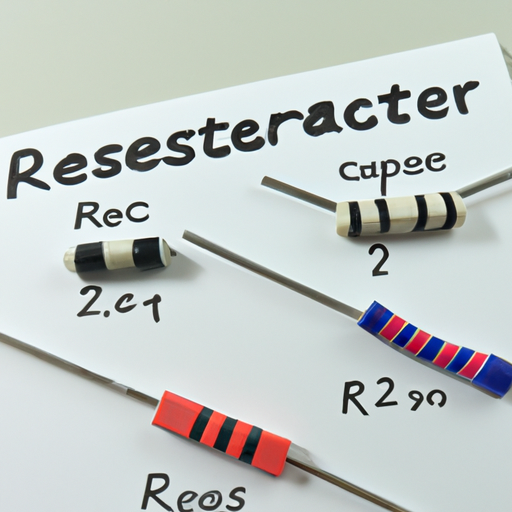
Resistor color codes are used to indicate the resistance value, tolerance, and sometimes the temperature coefficient of resistors. This coding system allows for easy identification of resistor specifications.
Each color corresponds to a specific number, with the first two or three bands representing significant digits, the next band indicating the multiplier, and the final band denoting tolerance. For example, a resistor with bands of red, red, and brown would have a resistance of 22 ohms with a tolerance of ±1%.
Understanding color codes is essential for anyone working with resistors, as it allows for quick identification and selection of the correct components for a circuit.
In summary, resistors are vital components in electrical circuits, and understanding their classification is essential for effective circuit design. From fixed and variable resistors to special types and material classifications, each category serves a unique purpose. Additionally, considerations such as tolerance, power rating, and application-specific requirements play a significant role in selecting the right resistor for any project.
As technology continues to evolve, the importance of resistors in electronics remains steadfast. We encourage readers to further explore the world of electronics and deepen their understanding of resistors and their applications.
- Suggested Reading Materials
- Online Resources for Further Study
- Acknowledgments of Sources Used in the Article
By understanding the classification of resistors, you can make informed decisions in your electronic projects, ensuring reliability and performance in your designs.
Resistors are fundamental components in electrical circuits, playing a crucial role in controlling the flow of electric current. They are designed to provide a specific amount of resistance, which is essential for the proper functioning of electronic devices. This article aims to provide a comprehensive understanding of resistor classification, exploring the various types, materials, tolerances, power ratings, applications, and the significance of color codes. By the end of this article, readers will have a clearer understanding of how to select the right resistor for their projects.
Resistance is a measure of the opposition to the flow of electric current in a circuit. It is quantified in ohms (Ω) and is a fundamental concept in electronics. According to Ohm's Law, the relationship between voltage (V), current (I), and resistance (R) can be expressed as:
\[ V = I \times R \]
This equation illustrates that the voltage across a resistor is directly proportional to the current flowing through it, with resistance acting as the proportionality constant.
Resistors serve several critical functions in electrical circuits:
1. **Current Limiting**: Resistors can limit the amount of current flowing through a circuit, protecting sensitive components from damage.
2. **Voltage Division**: In voltage divider circuits, resistors can be used to create specific voltage levels from a higher voltage source.
3. **Signal Conditioning**: Resistors can shape and modify signals in analog circuits, ensuring that signals are within the desired range for processing.
Resistors can be broadly classified into two main categories: fixed and variable resistors.
Fixed resistors have a predetermined resistance value that does not change. They are widely used in various applications due to their stability and reliability.
Carbon Composition Resistors: Made from a mixture of carbon and a binding material, these resistors are inexpensive and suitable for general-purpose applications. However, they have a higher tolerance and lower stability compared to other types.
Metal Film Resistors: These resistors are made by depositing a thin layer of metal onto a ceramic substrate. They offer better stability and lower noise, making them ideal for precision applications.
Wirewound Resistors: Constructed by winding a metal wire around a ceramic core, wirewound resistors can handle high power and are often used in high-power applications.
Thick and Thin Film Resistors: Thick film resistors are made by printing a resistive material onto a substrate, while thin film resistors are created using a similar process but with a much thinner layer. Thin film resistors provide higher precision and stability.
Variable resistors allow users to adjust the resistance value according to their needs. This adjustability makes them versatile components in various applications.
Potentiometers: These are three-terminal devices used to adjust voltage levels in a circuit. They are commonly found in volume controls and other adjustable settings.
Rheostats: A type of variable resistor with two terminals, rheostats are used to control current in a circuit. They are often used in applications requiring high power.
Special resistors are designed for specific applications and include:
Thermistors: Temperature-sensitive resistors that change resistance with temperature variations. They are commonly used in temperature sensing and control applications.
Photoresistors (LDRs): Light-dependent resistors that change resistance based on light intensity. They are often used in light-sensing applications, such as automatic lighting systems.
Varistors: Voltage-dependent resistors that protect circuits from voltage spikes. They are commonly used in surge protection devices.
Resistors can also be classified based on the materials used in their construction.
Carbon-based resistors, such as carbon composition and carbon film resistors, are known for their affordability. However, they may have higher noise levels and lower stability compared to metal-based resistors.
Metal-based resistors, including metal film and wirewound resistors, offer better precision, stability, and lower noise. They are often preferred in applications where accuracy is critical.
Conductive Polymers: These resistors are made from conductive polymer materials and are known for their lightweight and flexibility. They are often used in specialized applications.
Ceramic Resistors: Ceramic materials are used in high-temperature applications due to their thermal stability and resistance to environmental factors.
Tolerance refers to the allowable deviation from the specified resistance value. It is expressed as a percentage and indicates how much the actual resistance can vary from the nominal value.
Common tolerance ratings include 1%, 5%, and 10%. A 1% tolerance means that the actual resistance can vary by ±1% from the stated value, while a 5% tolerance allows for a ±5% variation.
Choosing resistors with appropriate tolerance ratings is crucial in circuit design, especially in precision applications where small variations can significantly impact performance.
Power rating indicates the maximum amount of power a resistor can dissipate without being damaged. It is typically measured in watts (W).
Common power ratings for resistors include 1/8W, 1/4W, 1/2W, and higher ratings for specialized applications. Selecting a resistor with an appropriate power rating is essential to prevent overheating and failure.
When designing circuits, it is vital to consider the power rating of resistors to ensure they can handle the expected power without exceeding their limits.
Resistors can also be classified based on their intended applications:
These resistors are suitable for a wide range of applications and are commonly used in everyday electronic devices.
Precision resistors are designed for applications requiring high accuracy and stability, such as in measurement and calibration equipment.
High-power resistors are built to handle significant power loads and are often used in power electronics and industrial applications.
These resistors are designed to operate effectively at high frequencies, making them suitable for RF (radio frequency) applications.
Resistor color codes are used to indicate the resistance value, tolerance, and sometimes the temperature coefficient of resistors. This coding system allows for easy identification of resistor specifications.
Each color corresponds to a specific number, with the first two or three bands representing significant digits, the next band indicating the multiplier, and the final band denoting tolerance. For example, a resistor with bands of red, red, and brown would have a resistance of 22 ohms with a tolerance of ±1%.
Understanding color codes is essential for anyone working with resistors, as it allows for quick identification and selection of the correct components for a circuit.
In summary, resistors are vital components in electrical circuits, and understanding their classification is essential for effective circuit design. From fixed and variable resistors to special types and material classifications, each category serves a unique purpose. Additionally, considerations such as tolerance, power rating, and application-specific requirements play a significant role in selecting the right resistor for any project.
As technology continues to evolve, the importance of resistors in electronics remains steadfast. We encourage readers to further explore the world of electronics and deepen their understanding of resistors and their applications.
- Suggested Reading Materials
- Online Resources for Further Study
- Acknowledgments of Sources Used in the Article
By understanding the classification of resistors, you can make informed decisions in your electronic projects, ensuring reliability and performance in your designs.